April 17, 2026
A window replacement is a significant investment for any homeowner, promising enhanced energy efficiency, aesthetic upgrades, and increased property value. However, the process is complex, and there are several essential aspects that homeowners frequently overlook, leading to unforeseen challenges and costs. This article explores these often-neglected factors, ensuring you are well-prepared for a smooth and successful project. By understanding the intricacies of the process, you can avoid common pitfalls and ensure your new windows provide lasting comfort and security for your home.
Assessing the Need for Replacement
Homeowners often remain unaware of the visible signs indicating the urgent need for a window upgrade. Deterioration can include warped frames, difficulty in opening or closing sashes, and visible damage to the glass. One of the most common signs is condensation or fogging trapped between glass panes, which indicates a failed seal in double or triple-paned units. These issues not only reduce the curb appeal of a property but can also introduce safety hazards and allow moisture to rot the surrounding wall structure. Recognizing and acting on these signs early can prevent structural water damage to your home's framing and interior finishes.
Evaluating Energy Efficiency Concerns
When evaluating the need for window replacement, energy efficiency should be a primary concern. Inefficient units often result in higher heating and cooling costs since they allow conditioned air to escape, thus overworking the HVAC system. You might notice "hot spots" near windows in the summer or drafts in the winter, indicating that your current glass is not providing an adequate thermal barrier. Modern coatings and gas fills can drastically reduce this heat transfer. Addressing these concerns ensures a more stable and comfortable home environment while simultaneously lowering your monthly utility bills.
Considering the Lifespan of Glass Doors
While windows are the primary focus of most renovations, homeowners often forget that their sliding glass doors are part of the same thermal envelope. These large expanses of glass are often the biggest culprits for energy loss in a home. According to data from the International Association of Certified Home Inspectors, sliding glass doors generally have a functional lifespan of approximately 20 years. If your home's windows are failing or showing their age, it is highly likely your sliding doors are also nearing the end of their efficiency. Including them in your project ensures a uniform look and maximum energy savings.
Weighing Noise Reduction Benefits
Noise pollution is a growing concern, especially in urban areas or neighborhoods near busy thoroughfares. Homeowners often forget to weigh the acoustic benefits of different glass types during the selection process. Certain installations, particularly those with laminated glass or specific asymmetric glass thicknesses, can significantly reduce unwanted external noise from traffic, sirens, or neighbors. Overlooking this aspect might lead to dissatisfaction once the project is finished if the home remains noisier than expected. Considering noise reduction when planning replacements can markedly improve your overall quality of life.
Budgeting and Financial Planning
Before embarking on a window replacement project, understanding market prices is crucial for setting expectations. This does not include the cost of the window unit itself, which can vary wildly based on material and size. Researching these variables helps in building an accurate budget and prevents sticker shock once the final quotes from contractors arrive.
Incorporating Potential Hidden Costs
Beyond the basic costs of new units and labor, hidden expenses can frequently catch homeowners off guard. These may include permit fees required by local municipalities in the U.S., or the discovery of dry rot and structural damage once the old frames are removed. You may also need to account for the cost of disposing of the old windows and any necessary repairs to the interior or exterior trim. Failing to explore these variables can lead to budget overruns mid-project. A comprehensive budget accounts for both anticipated and unanticipated expenses to ensure financial stability.
Evaluating Available Financing Options
This type of home improvement is a major investment that often demands high upfront costs. Homeowners frequently overlook financing options that could make the work more feasible, such as home equity lines of credit (HELOC), specialized energy-efficiency loans, or contractor-offered payment plans. Evaluating these options provides flexibility in payment and can reduce the immediate financial burden of a whole-home project. Making informed decisions about financing adds peace of mind and allows you to potentially afford higher-quality, more efficient products that save money in the long term.
Selecting the Right Type of Windows
The choice of materials influences durability, maintenance, and the overall look of your home. Vinyl windows are popular for being cost-effective and virtually maintenance-free, while wood offers timeless natural beauty but requires periodic painting to prevent rot. Fiberglass is extremely strong and handles extreme temperature fluctuations without expanding or contracting significantly. Aluminum is lightweight and modern, but generally offers less thermal efficiency than other materials. Selecting the right material based on your local climate and personal preference is crucial for long-term satisfaction.
Identifying Appropriate Window Styles
Windows come in a wide array of styles, each offering different functional benefits and aesthetic appeals. Double-hung windows are a classic choice where both sashes move, making them easy to clean from the inside. Casement windows are side-hinged and provide excellent ventilation by catching side breezes. Sliders are ideal for wide openings where there isn't room for a swinging sash, while picture windows are non-opening units designed for maximum light and unobstructed views. Selecting the right style based on room use and the architectural style of your home is vital for both comfort and curb appeal.
Hiring a Qualified Contractor
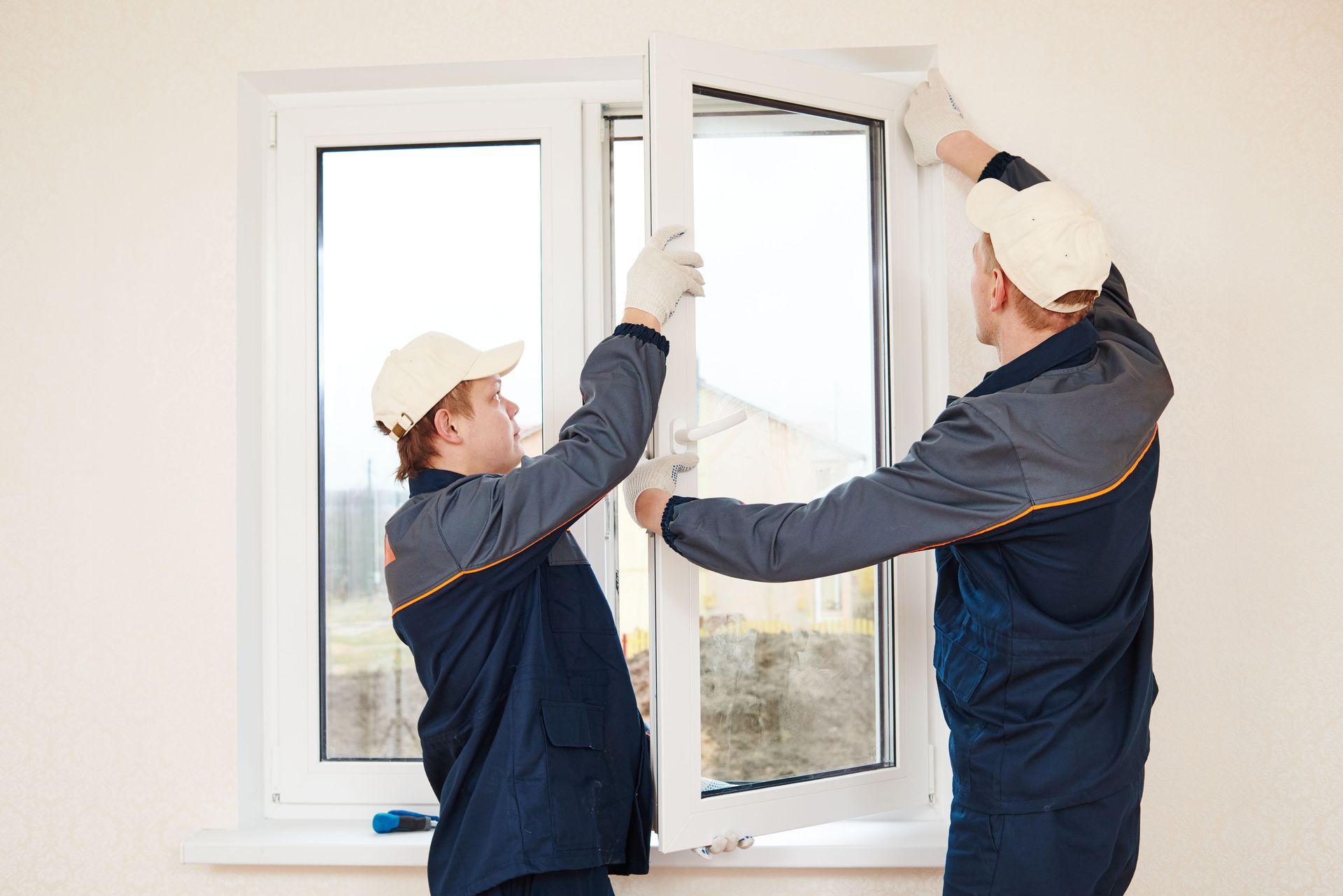
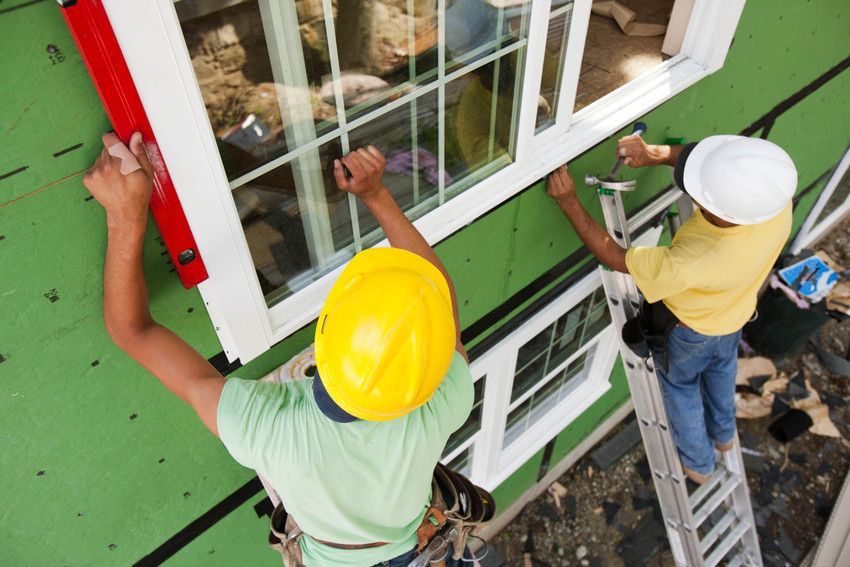
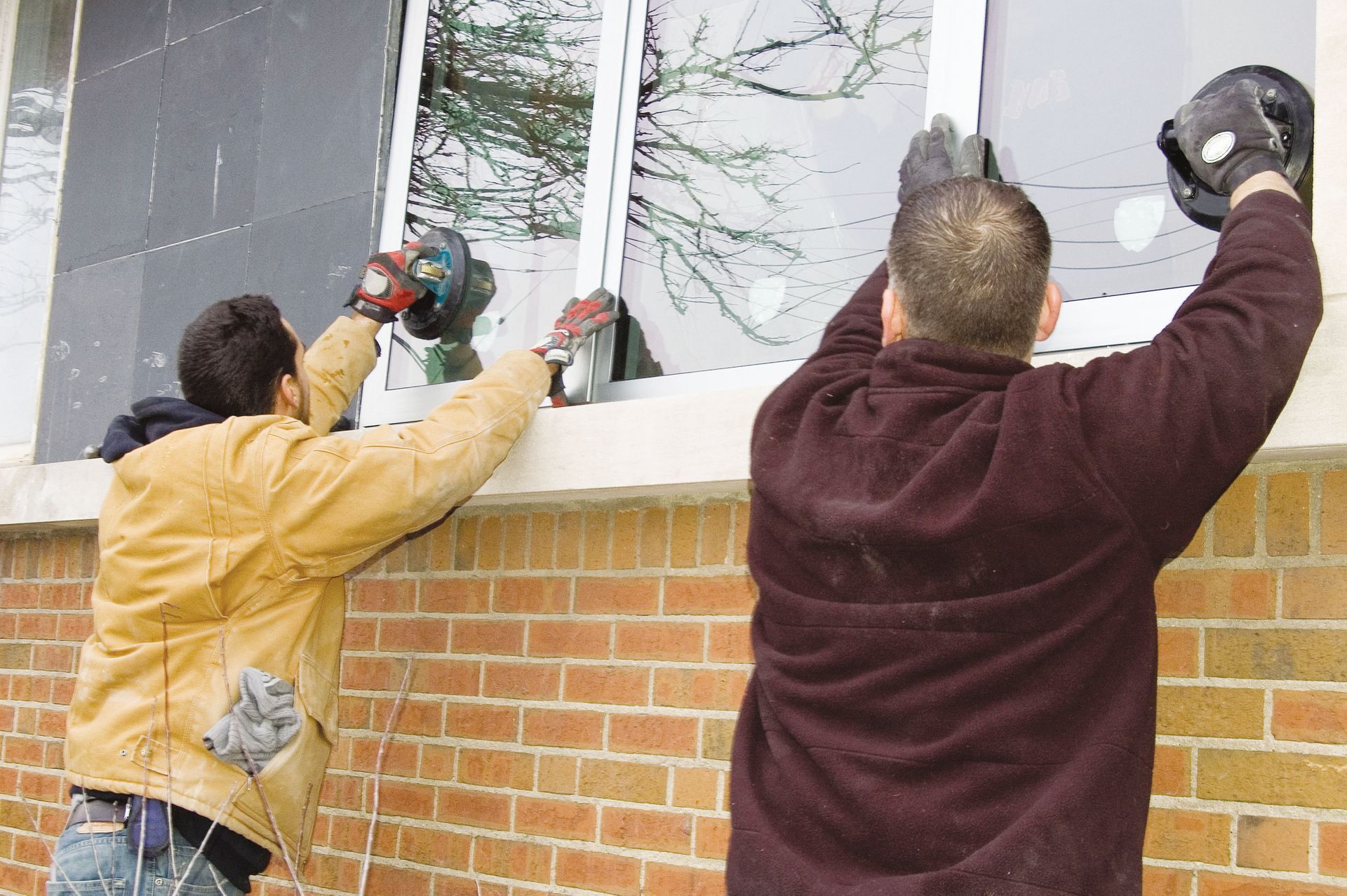
Hiring the right installation team for your window replacement is paramount to ensuring the longevity of your investment. Homeowners often overlook the importance of verifying licensing and insurance, which protects them from liability during the project. Prioritizing contractors certified by reputable manufacturers ensures that the installation meets the specific requirements needed to maintain your product warranty. Legitimate and certified contractors typically adhere to higher industry standards, reducing the risk of air leaks or water infiltration caused by poor installation techniques.
Requesting and Evaluating Multiple Quotes
Acquiring multiple quotes from potential contractors provides valuable insights into local market rates and service offerings. Evaluating these quotes involves considering not just the bottom-line price, but also the specific scope of work, the quality of the materials proposed, and the estimated timeline for completion. One contractor might include the disposal of old windows and the installation of new trim, while another might leave those as hidden costs.
Scrutinizing Warranty and Insurance Provisions
Comprehensive warranties protect you against future defects in both the product and the labor. You should carefully check the details of the manufacturer's warranty, which covers the glass and frame, as well as the contractor's installation warranty. Many homeowners neglect to scrutinize these provisions, only to find out later that their coverage is inadequate. Validating that the contractor carries both liability and workers' compensation insurance shields you from potential financial loss in the event of an on-site accident. Being diligent about these protections fosters security throughout the project.
While a window replacement can considerably enhance your home's energy efficiency, comfort, and resale value, it is a project that demands meticulous planning. By acknowledging potential oversights, budgeting for hidden structural repairs, and ensuring full regulatory compliance, you can significantly mitigate risks. Taking the time to understand the complexities of materials, glazing, and professional installation will lead to a successful project that fulfills your aesthetic desires and functional needs for years to come.
Are you ready to transform your home with high-quality glass and expert installation? Don't leave your investment to chance with an unproven team. Contact Gulfstream Glass of Volusia County today to discuss your vision for a professional window replacement and get started on a more beautiful, energy-efficient home.