July 27, 2026
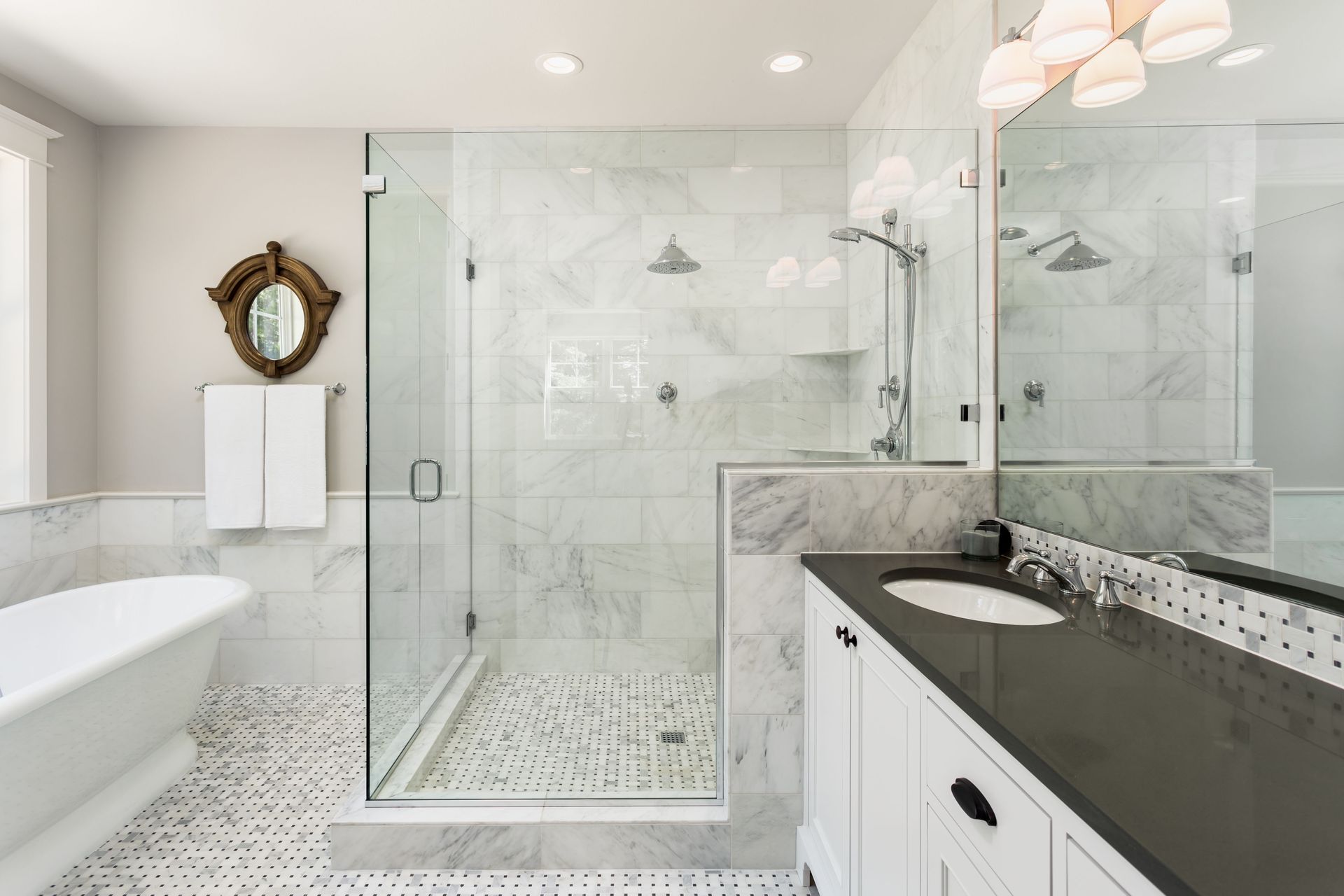
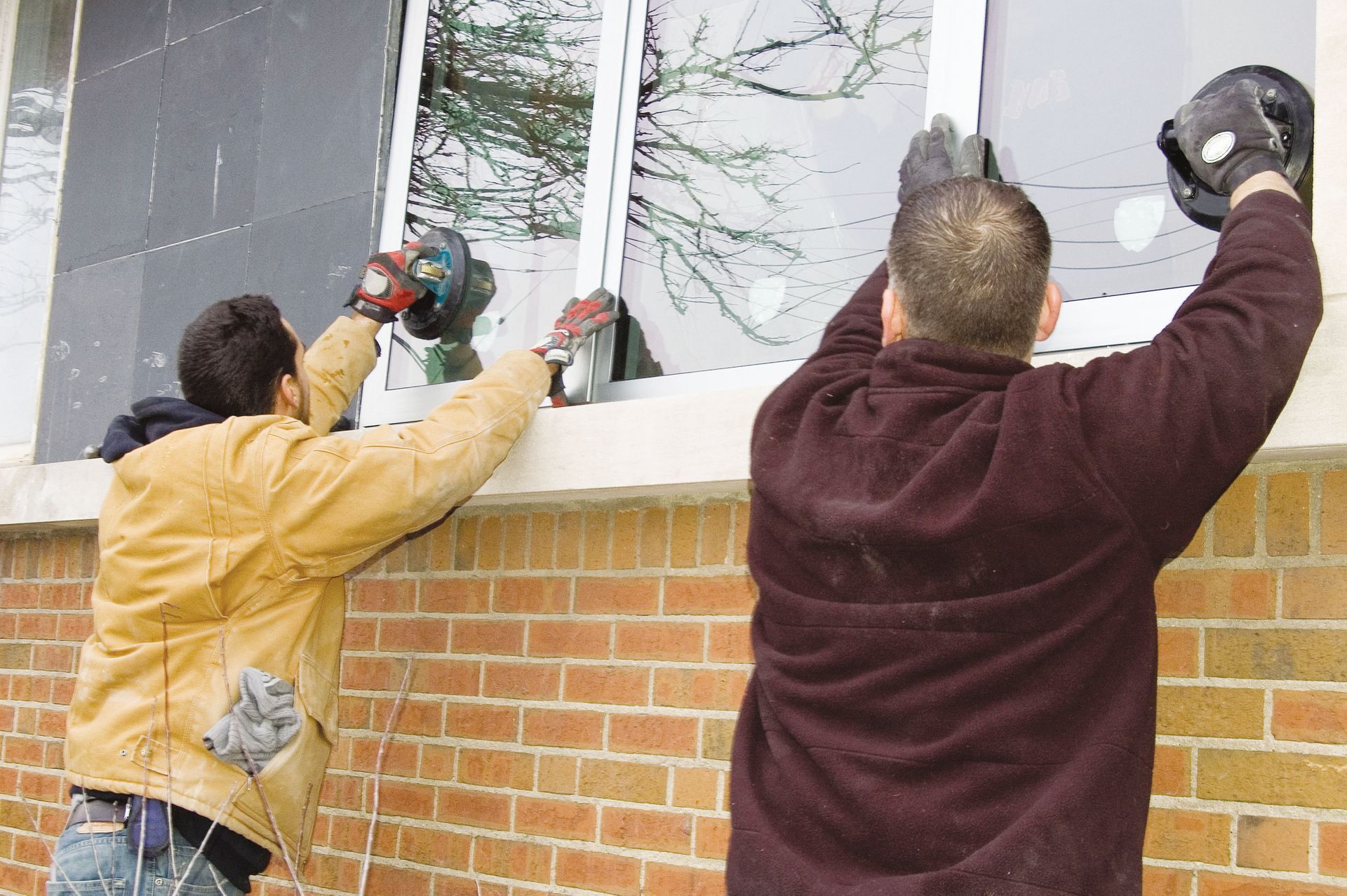
Renovating a bathroom requires careful attention to detail, especially when upgrading the bathing enclosure. A beautiful bathroom oasis relies heavily on the proper execution of final details. Among these details, setting up structural glass panels requires precision and expertise to ensure longevity and safety. Homeowners frequently underestimate the complexity of these tasks, assuming a simple weekend project will suffice. However, standard procedures must be followed to prevent leaks, cracks, and alignment issues over time. Selecting premium components and executing the setup with care will transform the visual appeal of the entire room while guaranteeing structural integrity. Navigating this process successfully involves understanding structural alignment, moisture barriers, and proper weight distribution. Focusing on established techniques ensures that the final product remains functional and beautiful for years to come. Professional approaches to door installations guarantee a seamless fit that enhances daily utility and elevates the overall aesthetic of the home environment.
Measuring the Space Accurately
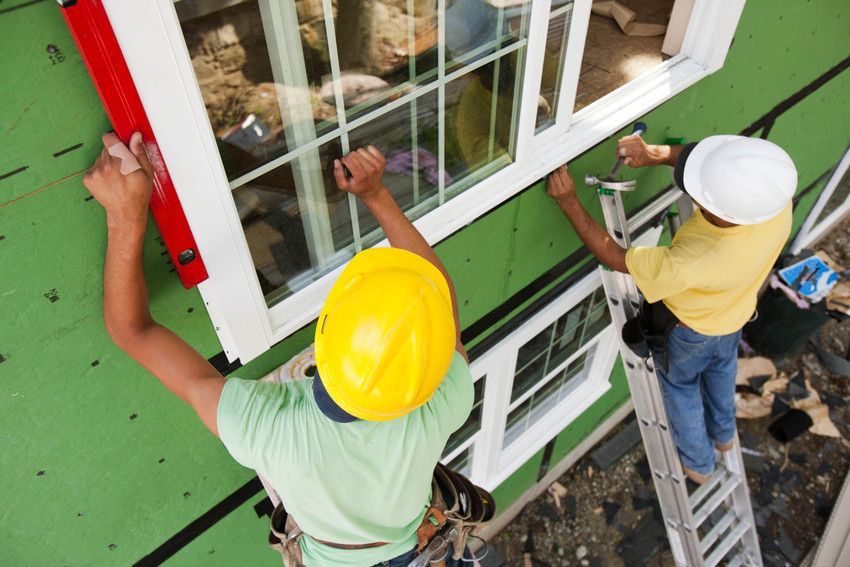
Before ordering any materials, obtaining exact dimensions remains the most critical step in the entire process. Glass panels cannot be altered or trimmed after they have been tempered, meaning even a minor oversight can ruin an entire piece of material. The salesman must check the width and height at multiple points to account for any irregularities in the structural framing. Walls are rarely perfectly plumb, and shower bases often tilt slightly to facilitate proper drainage. Using a high-quality level reveals these subtle shifts, allowing installers to adjust their calculations accordingly. Documenting the smallest deviations ensures the fabricated glass fits snugly into the designated opening without forcing any components into place. Precision during this initial stage eliminates gaps that could compromise the final water seal.
Proper measurement practices extend beyond the opening dimensions to include the surrounding bathroom clearance. Homeowners must consider how the glass panels will interact with nearby fixtures like vanities, toilets, and towel bars when swinging outward. Adequate clearance ensures operational safety and prevents accidental impacts that could shatter the tempered glass over time. Evaluating the weight capacity of the supporting structure is equally critical during this phase. Heavy glass panels require robust structural backing behind the finished tile to secure the weight safely. Planning for these structural requirements prevents sagging walls and loose hardware after the completion of the project. Addressing these dimensional and structural factors early streamlines subsequent door installations and guarantees an enduring setup.
Selecting the Materials Wisely
Choosing the appropriate components determines the longevity, maintenance requirements, and safety of the bathroom enclosure. Thicker glass panels offer greater stability and a more luxurious feel, though they demand stronger structural support. Homeowners must choose between various finishes for hinges, handles, and tracks to complement the existing bathroom hardware. Selecting moisture-resistant finishes ensures that the metal components resist corrosion and tarnishing despite constant exposure to humidity. Additionally, protective coatings applied directly to the glass surface minimize water spots and soap scum accumulation, making cleaning routines much simpler. Investing in high-quality hardware prevents premature mechanical failure and maintains smooth operation over years of daily usage.
Material selection also directly impacts the overall financial return of a residential remodeling project. According to HomeGuide, frameless glass shower doors add value and provide a 60% to 67% return on investment. This substantial financial benefit highlights why premium upgrades remain popular among individuals looking to maximize property value. Upgrading to clear, heavy glass creates an illusion of a larger room by allowing light to flow unobstructed across the space. This visual expansion appeals greatly to prospective buyers while enhancing the daily enjoyment of current residents. Prioritizing durable and aesthetically pleasing elements ensures that door installations deliver both immediate aesthetic pleasure and long-term financial benefits.
Preparing the Opening Properly
Creating a stable and level foundation is paramount before attempting to position any heavy glass components. The threshold where the glass rests must slope slightly inward toward the drain to ensure water flows back into the enclosure rather than collecting on the bathroom floor. If the threshold slopes outward or remains perfectly flat, pooled water will inevitably escape, leading to moisture damage on surrounding subfloors. Installers must also inspect the vertical surfaces to identify any bowing or irregularities in the tiling work. Smooth, flat surfaces allow the gaskets and channels to sit flush against the wall, reducing the reliance on excessive amounts of silicone sealant. Taking time to correct uneven surfaces before proceeding prevents structural stress on the glass panels.
Ensuring adequate structural reinforcement behind the finished wall material represents another essential aspect of preparation. Heavy glass enclosures cannot rely solely on drywall anchors or standard tile for support; they require solid wood blocking securely fastened within the wall framing. Without this internal blocking, the constant weight and movement of the glass will eventually pull the hinges away from the wall, creating a dangerous hazard. Installers must verify the location of this backing material before drilling any holes into the finished tile. Verifying these hidden structural elements prevents costly mistakes and ensures the surrounding architecture can handle the physical demands of modern door installations. Proper preparation sets the stage for flawless door installations and a trouble-free setup process.
Sealing the Edges Completely
Preventing moisture escape requires a meticulous application of specialized sealants and clear vinyl gaskets along the perimeters. High-quality silicone sealant designed specifically for sanitary applications resists mold and mildew growth in high-humidity environments. Installers must apply a continuous, smooth bead of silicone along the stationary panels where they meet the walls and floor threshold. Any gaps or thin spots in the sealant bead create potential pathways for water to escape during a shower. Smoothing the silicone bead immediately after application ensures a clean appearance and a tight bond with the surrounding surfaces. Allowing the sealant to cure completely for the full duration recommended by the manufacturer guarantees a long-lasting, watertight barrier.
In addition to liquid sealants, utilizing the correct vinyl sweeps and drips maximizes protection against leaks beneath moving panels. A clear bottom sweep attached to the lower edge of the swinging panel redirects water running down the glass back toward the shower pan. Side gaskets prevent water from splashing through the small gaps between adjacent glass panels or where the door meets the wall. These vinyl components must be cut precisely to fit the contours of the enclosure without binding or creating resistance during door movement. Regular inspection and replacement of these wearable parts ensure the surrounding bathroom remains dry and free from water damage over time. Executing these final steps properly completes the process, ensuring that door installations remain functional, beautiful, and entirely leak-free.
Achieving a flawless outcome when upgrading a bathroom enclosure involves adhering to strict guidelines and paying close attention to structural details. From the initial dimensional checks to the final application of mildew-resistant sealants, every step plays a vital role in the longevity and safety of the system. Homeowners who prioritize premium materials and correct methodology enjoy enhanced property value alongside daily functional reliability. While some aspects of property maintenance can be handled as independent projects, heavy glass work demands specialized skills and tools to avoid costly errors or dangerous accidents. Entrusting these tasks to experienced professionals guarantees that the final layout meets safety standards while delivering a stunning visual transformation. To ensure your project is completed with the highest level of craftsmanship and durability, contact GULFSTREAM GLASS OF VOLUSIA COUNTY INC.